
Games Are the New Literature. We Treat Them Like It.
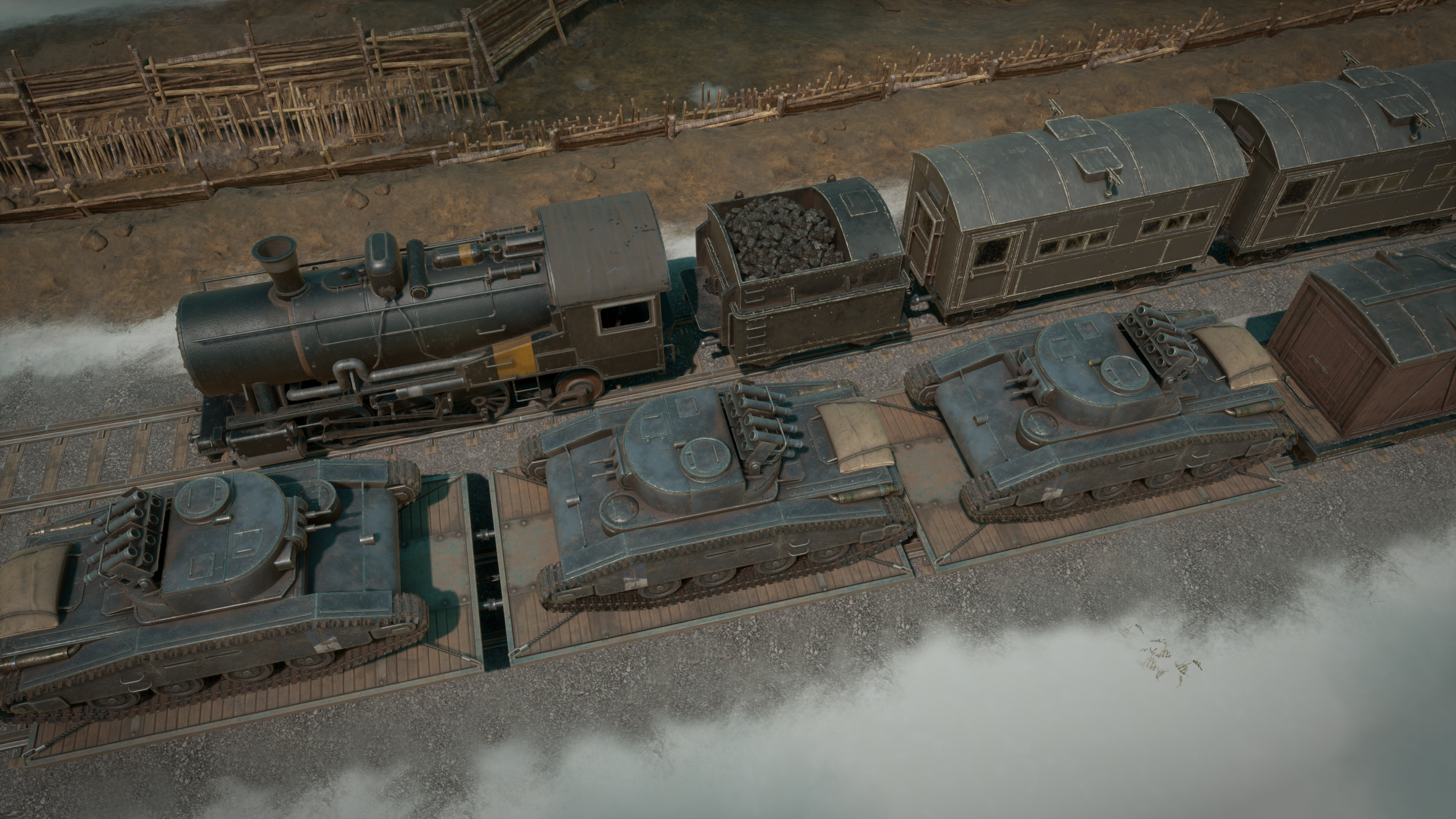
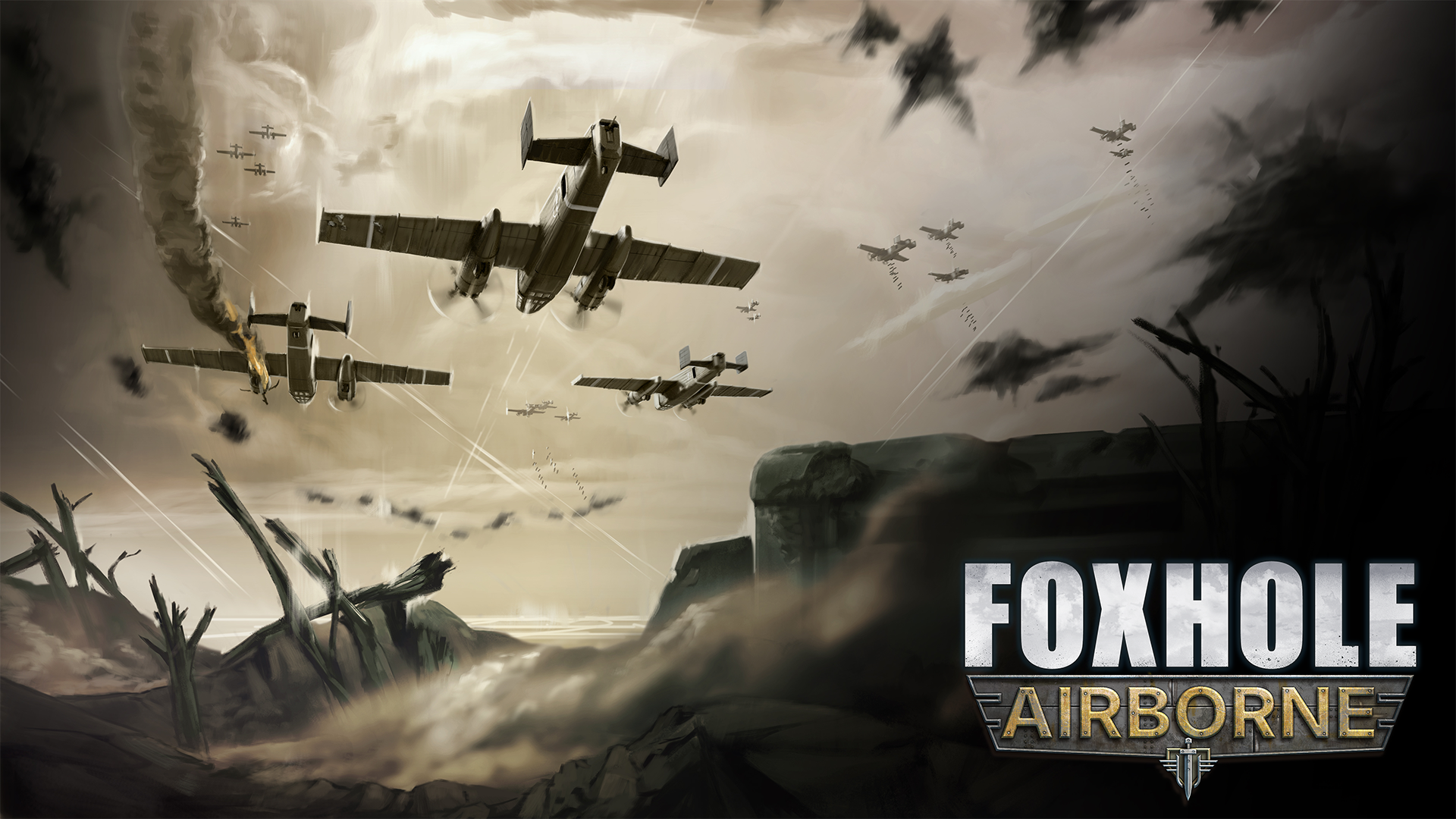
In Foxhole, the most distinctive system is its player driven war economy. Every weapon is manufactured. Every vehicle is assembled. Every crate of ammunition is transported by another human being. Combat depends on labor. Loss depends on supply. The question this article explores is straightforward: what is Foxhole attempting to persuade the player of through this industrial design?
When we play, it feels like freedom. We choose where to go, what to do, how to act. But behind every moment of agency in a video game lies a hidden architecture of systems guiding, nudging, and sometimes deceiving us.
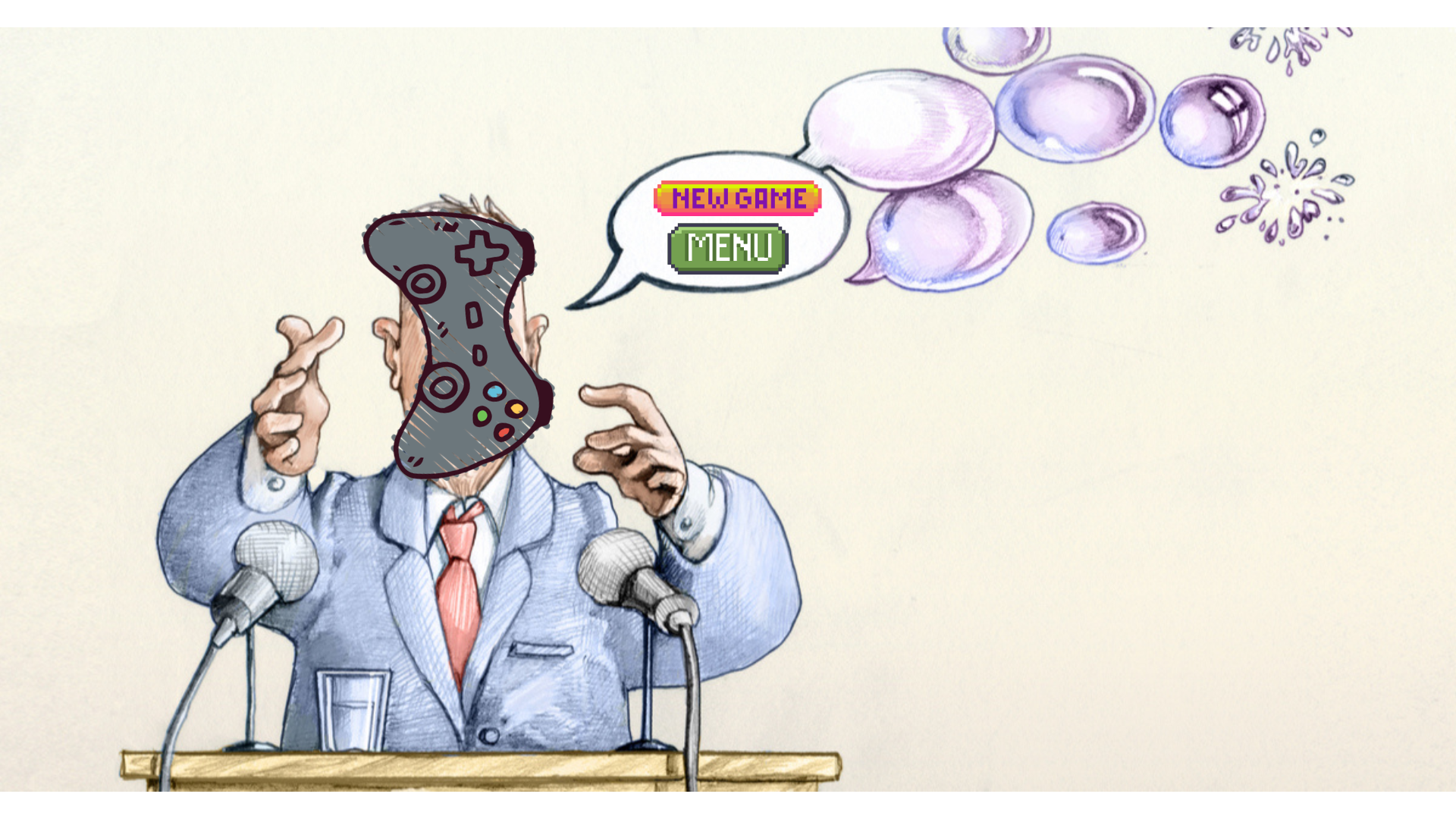
Most people think of video games as stories with buttons. A hero, a quest, some dialogue, and maybe a branching ending. But games do more than just tell stories. They argue.
For over seven years, Foxhole, developed by Siege Camp, has been running one of the most ambitious persistent war simulations in modern gaming. It does not chase spectacle or cinematic bombast like Helldivers 2 or Battlefield. Instead, it builds something slower, heavier, and far more systemic: a fully player-driven war where every rifle, shell, vehicle, and bunker originates from human labor somewhere along the production chain.
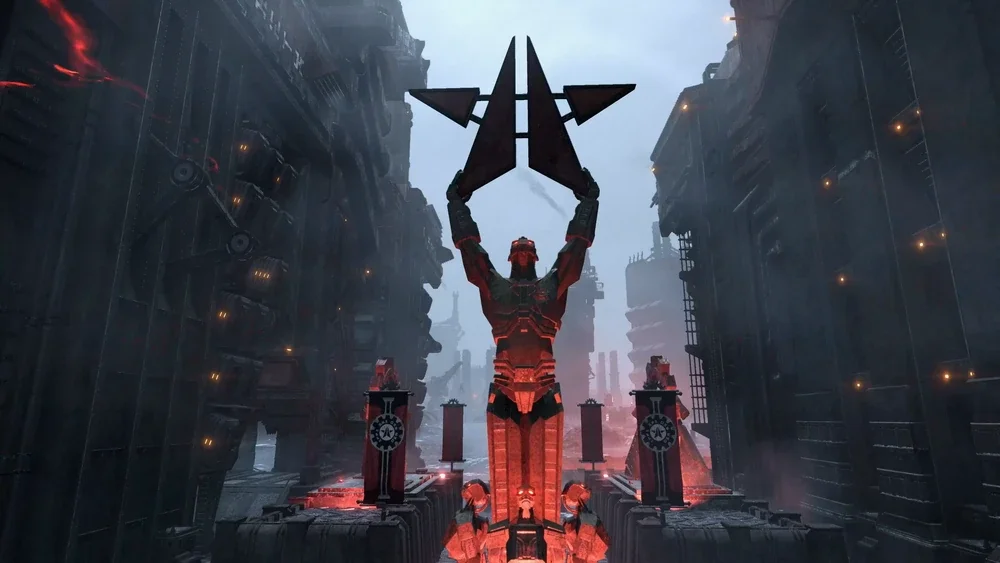
Rather than reviewing Helldivers 2 as a launch phenomenon, this feels like the right time to reevaluate it as a living system, with two years of updates, controversy, balance changes and community driven narrative. This is a retroactive review of Helldivers 2, two years on. Assessing how it plays today and what it has become since launch.